Recognizable experience
Translate the brand into consistent product, website and content decisions across touchpoints.
Brand and interface systems
A coherent brand and design system that helps product, marketing and engineering teams create recognizable experiences at speed.
01
Business outcomes
Translate the brand into consistent product, website and content decisions across touchpoints.
Reusable components, tokens, templates and documentation reduce repeated design and implementation work.
Ownership, contribution and review rules keep the system useful as teams and products evolve.
We establish practical signals such as component adoption, duplicated patterns removed, design-to-development cycle time, accessibility coverage, contribution activity and consistency across priority journeys.
02
Scope
The exact scope follows the problem, current systems and the decision ahead. A focused workstream can stand alone or connect to a wider product program.
03
Delivery approach
Review product, marketing, content, code and team workflows to find costly inconsistency.
Connect brand principles to visual, verbal, interaction and accessibility decisions.
Create tokens, components and templates against representative pages and product states.
Document usage, connect design to code and establish ownership and contribution workflows.
04
Good fit
05
Frequently asked questions
A brand guide explains identity and expression. A design system adds reusable product patterns, tokens, components, implementation guidance and governance. The strongest systems connect both.
Yes. Scope can include design foundations, Figma components, design tokens, coded UI components, documentation and a workflow for keeping them aligned.
Yes. We can preserve recognizable equity while improving digital expression, accessibility, interface consistency and production efficiency.
A sustainable system needs named owners, contribution and review rules, versioning, documentation, adoption measures and time allocated for maintenance.
Relevant work
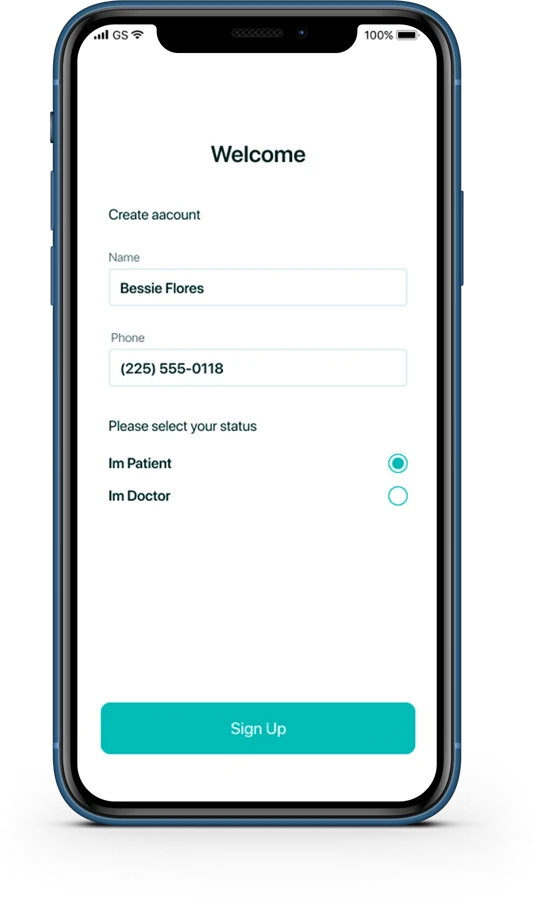
A telemedicine MVP connecting patient requests with remote practitioner consultations.
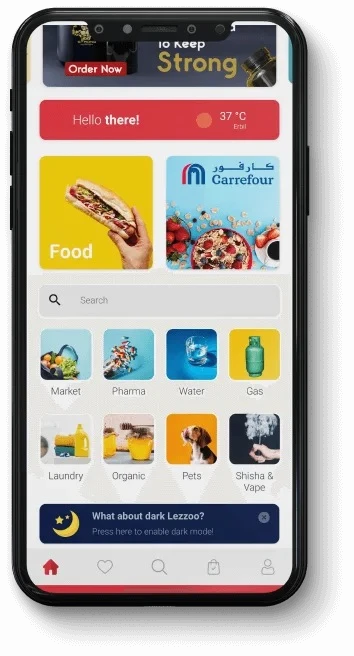
Customer, courier and administration systems for a multi-category on-demand delivery marketplace.
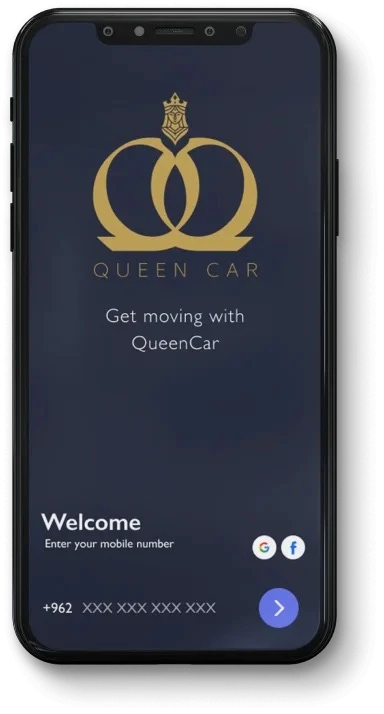
Passenger, driver and administration applications for operating a configurable ride-hailing service.
Start with the business problem