Shared product clarity
Evidence, flows and prototypes give stakeholders a concrete basis for prioritization.
Product design
Research-led product and UI/UX design for workflows people can understand, complete and trust.
01
Business outcomes
Evidence, flows and prototypes give stakeholders a concrete basis for prioritization.
Interfaces make status, choices, errors and next actions easier to understand.
Responsive behavior, states, content and component rules reduce ambiguity during engineering.
Depending on the product, we measure task completion, time on task, error recovery, comprehension, conversion, usability findings, accessibility and the downstream operating or customer result.
02
Scope
The exact scope follows the problem, current systems and the decision ahead. A focused workstream can stand alone or connect to a wider product program.
03
Delivery approach
Review users, evidence, workflows, business rules, content and technical constraints.
Define task flows, navigation, states and the information needed at each decision.
Test risky assumptions and important interactions before polishing every screen.
Document responsive behavior, components, content, accessibility and edge cases with engineers.
04
Good fit
05
Frequently asked questions
UX design structures the end-to-end task, information and interaction. UI design defines the visual and behavioral interface. Strong product work treats them as connected decisions.
Yes. The method depends on the decision: interviews, workflow observation, concept testing, prototype testing, analytics review or moderated usability sessions.
Yes. We can use, audit or extend an existing system and document any new patterns so product and engineering teams keep a shared source of truth.
Yes. Engineering constraints and implementation review are part of the design process, not a handoff after the work is complete.
Relevant work
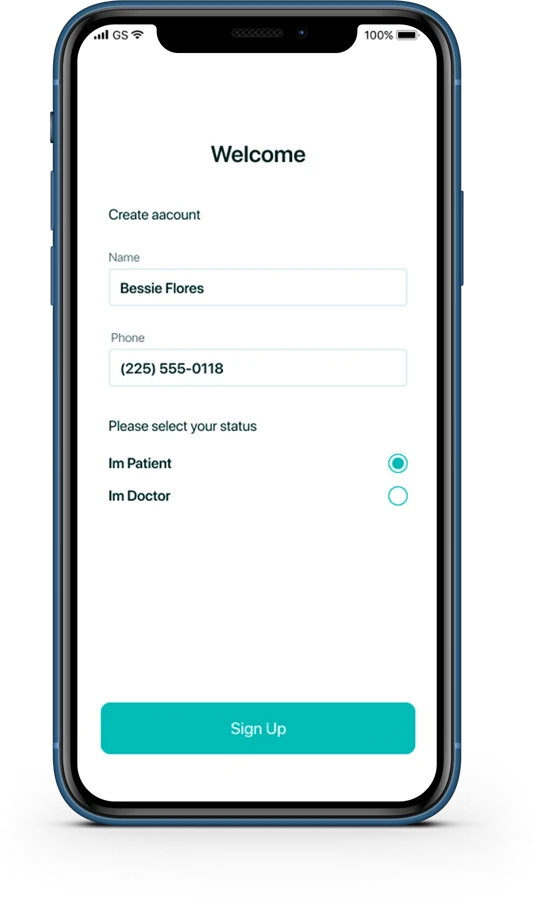
A telemedicine MVP connecting patient requests with remote practitioner consultations.
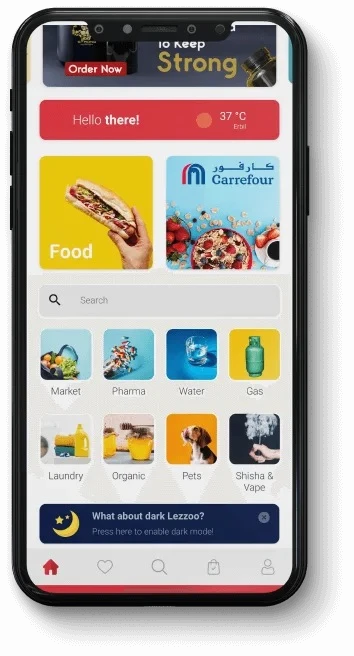
Customer, courier and administration systems for a multi-category on-demand delivery marketplace.
Passenger, driver and administration applications for operating a configurable ride-hailing service.
Start with the business problem