Sharper investment decision
Know what evidence supports the opportunity, what remains uncertain and what to fund next.
Product strategy
Resolve the riskiest product decisions and define the smallest useful release before committing to a larger build.
01
Business outcomes
Know what evidence supports the opportunity, what remains uncertain and what to fund next.
Prioritize a coherent first release around value, risk and learning rather than stakeholder volume.
Align journeys, architecture, dependencies, acceptance criteria and a practical roadmap.
Discovery defines evidence for the next decision: validated tasks, demand signals, prototype comprehension, feasibility findings, delivery estimates, risk retirement and explicit go, change or stop criteria.
02
Scope
The exact scope follows the problem, current systems and the decision ahead. A focused workstream can stand alone or connect to a wider product program.
03
Delivery approach
Clarify what must be true for the opportunity to justify investment.
Use existing data, stakeholder context, customer research and technical investigation.
Prototype the experience and investigate feasibility where uncertainty is expensive.
Document the first useful scope, measures, dependencies, risks and next decisions.
04
Good fit
05
Frequently asked questions
The scope depends on the decisions and evidence required. A focused discovery is time-boxed and designed to produce an investment decision, prototype or delivery plan rather than open-ended research.
An MVP should contain the complete minimum journey that creates value for a defined user and produces useful evidence. It should exclude features that do not affect that test.
Yes. We identify integration, data, security, delivery and operational constraints early enough to shape scope and feasibility.
Yes. Continuity from discovery into design and engineering preserves decisions and reduces rework, while the discovery outputs remain useful if another team delivers.
Relevant work
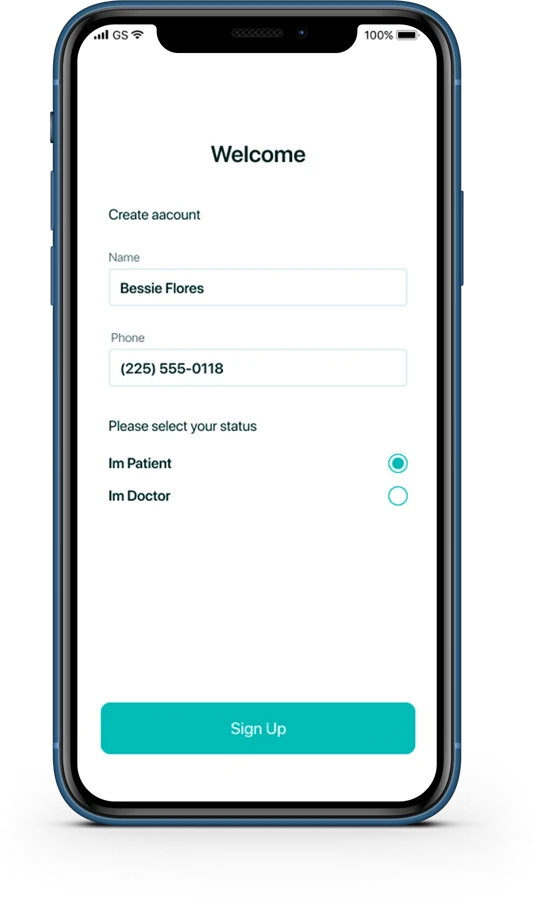
A telemedicine MVP connecting patient requests with remote practitioner consultations.
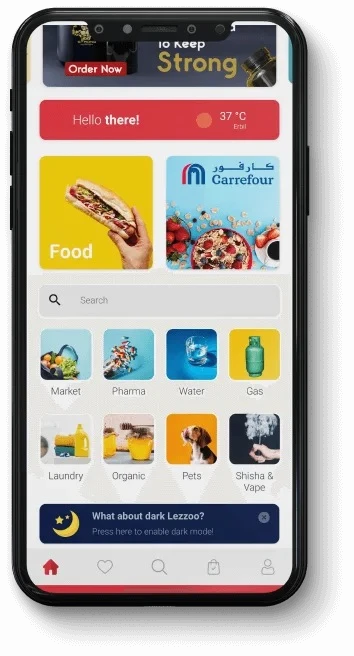
Customer, courier and administration systems for a multi-category on-demand delivery marketplace.
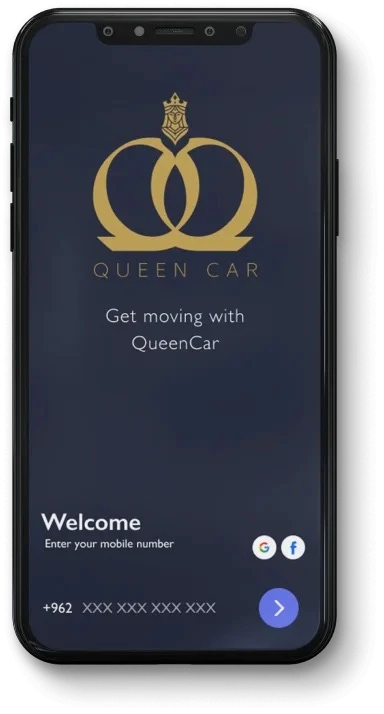
Passenger, driver and administration applications for operating a configurable ride-hailing service.
Start with the business problem