Operational fit
Software follows the real workflow, roles and decisions instead of forcing the team into a generic template.
Product engineering
Custom software built around the workflow, advantage and operating model that make your business different.
01
Business outcomes
Software follows the real workflow, roles and decisions instead of forcing the team into a generic template.
A maintainable architecture, automated checks and observable releases make important changes safer.
Purposeful APIs and integrations reduce duplicate data entry and disconnected customer journeys.
We establish a baseline around cycle time, completion rate, error rate, support demand, reliability and the business event the system is expected to improve.
02
Scope
The exact scope follows the problem, current systems and the decision ahead. A focused workstream can stand alone or connect to a wider product program.
03
Delivery approach
Define the customer or operating result, constraints, owners and evidence of success.
Map workflows, data, permissions, integrations, risks and the smallest useful release.
Design, engineer and test complete slices that stakeholders and users can evaluate early.
Deploy with monitoring, ownership and a prioritized path for improvement.
04
Good fit
05
Frequently asked questions
Choose custom software when the workflow is strategically important, packaged tools create material constraints, or ownership and integration flexibility justify the investment. We recommend SaaS when it solves the problem without expensive compromise.
Yes. Work can begin with an architecture and codebase assessment, then continue through a focused integration, module replacement or incremental modernization plan.
We make scope, architecture, dependencies and acceptance criteria visible; release in testable increments; automate critical checks; and plan monitoring, rollback and operational ownership before launch.
The engagement is structured so the client can own and operate the delivered product, source code and project knowledge under the agreed contract.
Relevant work
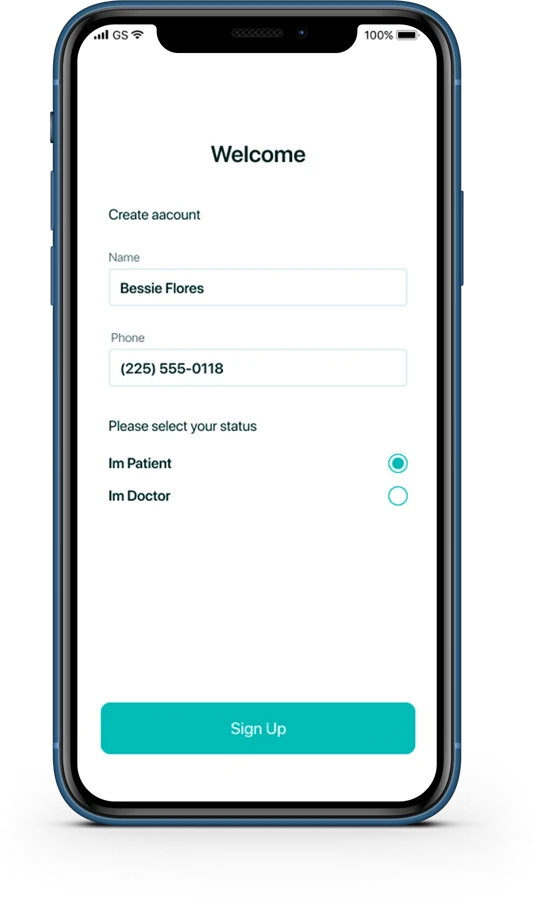
A telemedicine MVP connecting patient requests with remote practitioner consultations.
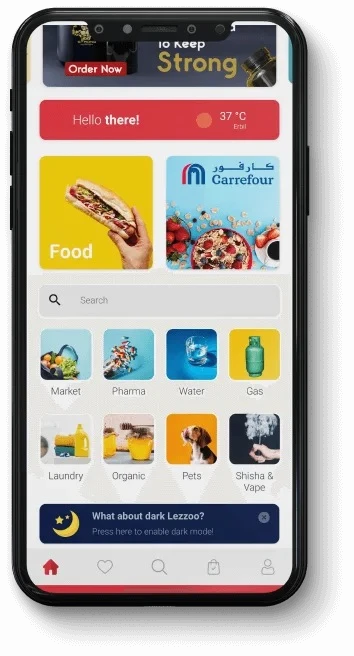
Customer, courier and administration systems for a multi-category on-demand delivery marketplace.
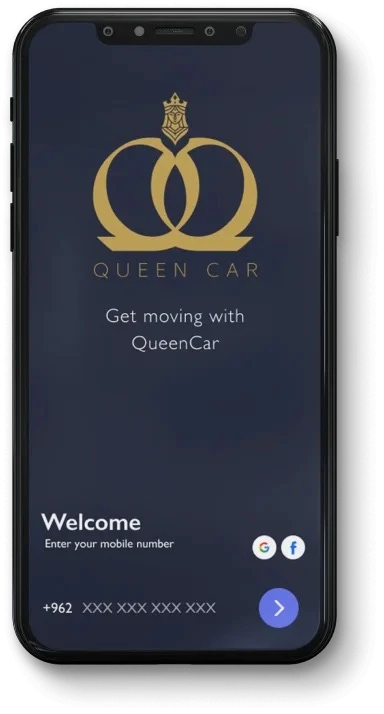
Passenger, driver and administration applications for operating a configurable ride-hailing service.
Start with the business problem