Safer change
Tests, observability and smaller release boundaries reduce the risk of improving a live product.
Modern software delivery
Modernize valuable software in controlled increments while protecting customers, operations and business continuity.
01
Business outcomes
Tests, observability and smaller release boundaries reduce the risk of improving a live product.
Address recurring incidents, manual deployment and dependencies that slow the team.
Prioritize improvements around business risk and product roadmap rather than framework fashion.
Modernization measures can include deployment frequency, change failure rate, recovery time, incident volume, lead time, performance, infrastructure cost and the speed of priority feature delivery.
02
Scope
The exact scope follows the problem, current systems and the decision ahead. A focused workstream can stand alone or connect to a wider product program.
03
Delivery approach
Combine code, architecture, delivery, incidents and product-roadmap evidence.
Rank work by continuity, customer impact, change frequency and strategic need.
Add characterization tests, observability, interfaces and rollback paths before high-risk changes.
Release measurable improvements while the product continues to serve users.
04
Good fit
05
Frequently asked questions
Usually not. We assess where replacement, refactoring, isolation or continued operation creates the best balance of value and risk.
Yes. We plan boundaries and sequencing so urgent product work can continue while the highest-value technical constraints are reduced.
We document workflows, add characterization tests, compare outputs, migrate data carefully and release changes in observable increments.
Yes. The engagement can combine assessment, embedded delivery, architecture support, pairing and knowledge transfer.
Relevant work
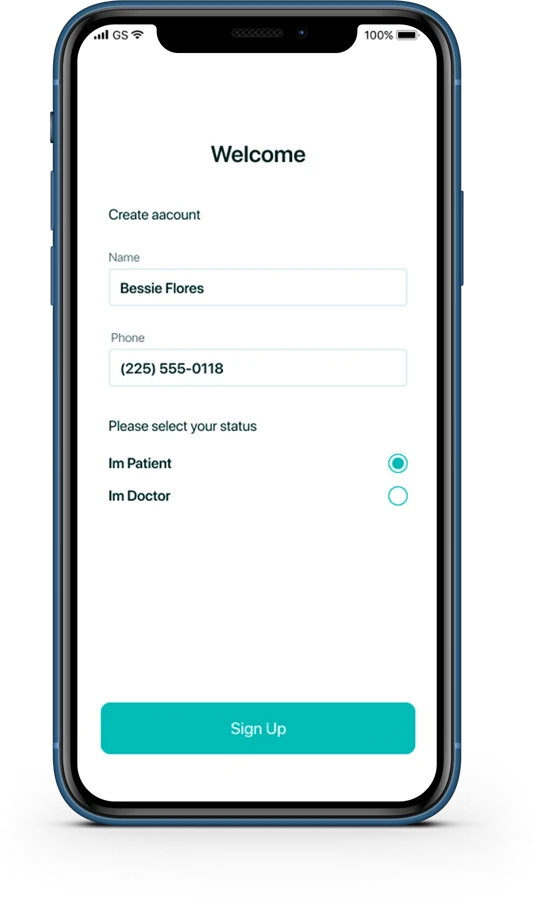
A telemedicine MVP connecting patient requests with remote practitioner consultations.
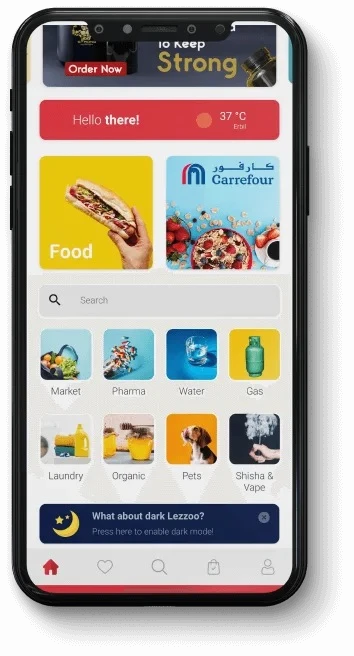
Customer, courier and administration systems for a multi-category on-demand delivery marketplace.
Passenger, driver and administration applications for operating a configurable ride-hailing service.
Start with the business problem